
About
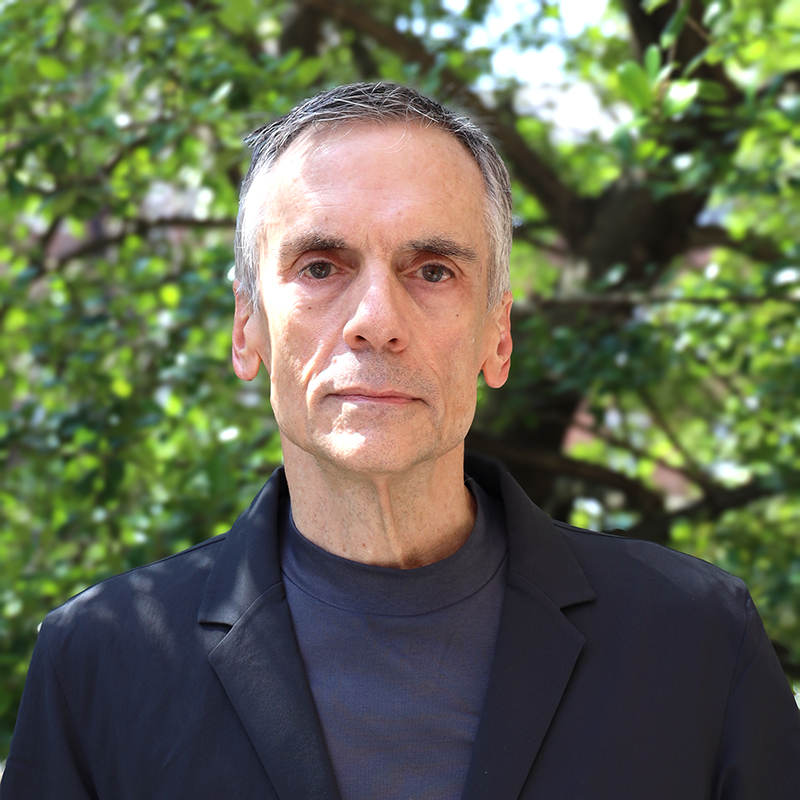
Dr. William Evans is a professor who explores why people enjoy, interpret and share film, television and emerging media content. Drawing on both natural and social-scientific perspectives, his research examines audience engagement, media experience and the psychological and cultural processes that shape how media resonates with viewers.
An interdisciplinary scholar, Dr. Evans’s media research has been published in leading journals in mass communication as well as fields including public health, science communication, geology, linguistics, evolutionary studies, humanities computing and traffic engineering. His work reflects a broad intellectual approach to understanding media as both a cultural product and a measurable human experience.
Impact Beyond the University
Dr. Evans’s research bridges academic disciplines and real-world applications, offering insights that inform media creators, communicators, and researchers across industries. By applying scientific methods to questions of storytelling, enjoyment and media sharing, his work contributes to more effective communication in areas ranging from entertainment and science outreach to public health messaging.
He also contributes to the advancement of the field through professional service, including his role on the editorial board of the Journal of Science Communication, where he helps shape research at the intersection of media, science, and society.
A Passion for Teaching and Strategic Insight
In the classroom, Dr. Evans brings an interdisciplinary lens to media studies, encouraging students to think critically about how audiences engage with content across platforms. His teaching emphasizes analytical thinking, research literacy, and the application of theory to contemporary media practice.
Through mentorship and instruction, Dr. Evans prepares students to understand not only how media is created, but why it matters. He tries to equip students with tools to analyze, design and evaluate media experiences in a rapidly evolving digital landscape.