
About
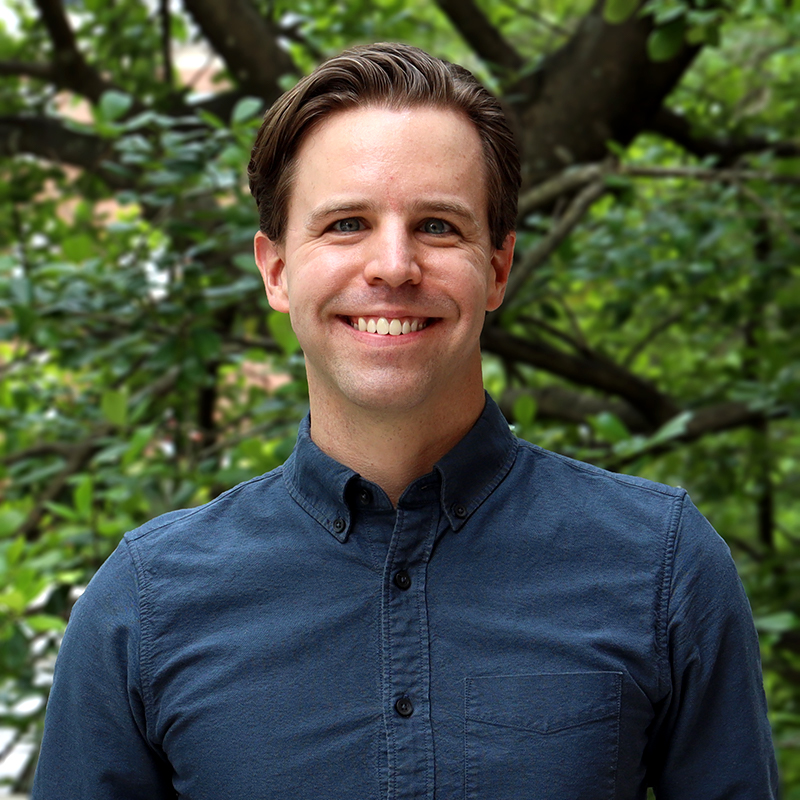
Dr. Landon Palmer is a film and media historian and assistant professor. His research examines the relationships between motion pictures and other industries during the second half of the twentieth century, with particular attention to how industrial power shapes media production and representation.
Much of Dr. Palmer’s work focuses on the intersections of film and popular music, though he has also published research on the influence of electronics and finance on motion pictures. Across these areas, his scholarship investigates how images of difference, performance, and possibility have been enabled—or constrained—by the industrial conditions under which moving image media has been produced.
Impact Beyond the University
Dr. Palmer is the author of “Rock Star/Movie Star: Power and Performance in Cinematic Rock Stardom”, which analyzes the casting of rock musicians in feature films—from Elvis Presley to Madonna—as media industries adapted to shifting cultural and economic landscapes. He is currently developing a second book project, “From Hitsville to Hollywood”, which traces the history of Motown Productions, the film and television arm of Motown Records.
His research has been published in leading journals including Journal of Cinema and Media Studies, Journal of Popular Music Studies, Screen, Media Industries Journal, The Moving Image, Celebrity Studies, and Music, Sound, and the Moving Image. In addition to scholarly work, Dr. Palmer has written for public outlets such as The Atlantic, The Washington Post, and IndieWIRE, bringing academic insight into broader media conversations.
A Passion for Critical Film and Media Studies
Dr. Palmer has taught university courses in media studies and communication since 2010. Within the Creative Media major, he specializes in teaching critical approaches to film and television, helping students develop strong analytical skills and an understanding of the industrial, cultural, and historical contexts that shape what appears onscreen.
At the graduate level, Dr. Palmer mentors students interested in humanistic and qualitative approaches to media and cultural studies. Through teaching and scholarship, he encourages students to think deeply about media texts, industries, and the power structures that inform them.